Have you ever done something wrong, completely accidentally, with all the best intentions, and, feeling ashamed and repentant, thought to yourself: “that’s it, I better go kill a pigeon.”
Of course you haven’t. Because as an astute reader of Torah knows, if you have committed a sin, you need to sacrifice at least two pigeons. A goat for serious misbehaviour. A bull, if you really messed up.
This week, we enter the Book of Leviticus, an impressive catalogue of sins and sacrifices. This third book in the Torah cycle, called in Hebrew Vayikra, acts as a directory for priests.
Here, you can match up any misdeed or lifecycle event with the appropriate sacrificial animal, and it comes with a handy recipe book for how to make the meat smell nice enough that God forgives you.
(Bit of oil… bit of incense… bake for three days in a smoke oven…)
We leave behind the great moral myths of Genesis. We leave behind the inspiring liberatory narrative of Exodus. And this, too, is where we leave behind Orthodox Judaism.
If you are an Orthodox Jew, the only problem you can see with killing a pigeon to atone for your mistakes is that you don’t have a Temple to do it in.
In the Koren Sacks Siddur, the Orthodox daily prayer book, you will find petitions to be recited every day that God rebuilds the Temple in Jerusalem, brings back the hereditary priesthood, and restores the sacrificial cult.
Finally, if I make an accidental mistake, I will be able to fulfil the Torah’s command that I should splatter a bull’s blood and entrails all over a table.
Frankly, I don’t know how our friends further up the Thames have managed to go so long without enacting this sacred duty.
At its best, the rebuilt Temple of Orthodox Judaism involves some kind of mystical descent of a palace from the clouds at the end of time. At its worst, there are Jews currently hoping to blow up the Al Aqsa Mosque on the Temple Mount and replace it with a gaudy pillared Roman-style shrine.
I’m not going to get into the geopolitics of why that would be a terrible idea. My area is theology, and I can tell you now, that from a religious, moral, spiritual, and ethical perspective, bringing back any kind of Temple would be a terrible idea.
Even as a metaphor, the yearning for Temple Judaism is an abrogation of responsibility, a refusal to engage in the real world, and a fantasy that blood can avenge wrongdoing. We cannot tolerate this idea on any level, whether real or abstract.
It is hard to overstate what a fundamental difference this is between Progressive and Orthodox Judaism. Opposition to rebuilding the Temple is central to Progressive theology.
In 1885, American Jews came together at the Rodef Shalom Synagogue in Pennsylvania and signed up to their foundational document: the Pittsburgh Platform. This decree has influenced how Progressive Jews see our religion ever since.
In it, they declare: “we expect no sacrificial worship under the sons of Aaron.” From the outset, we have believed that the synagogue has permanently replaced the Temple.
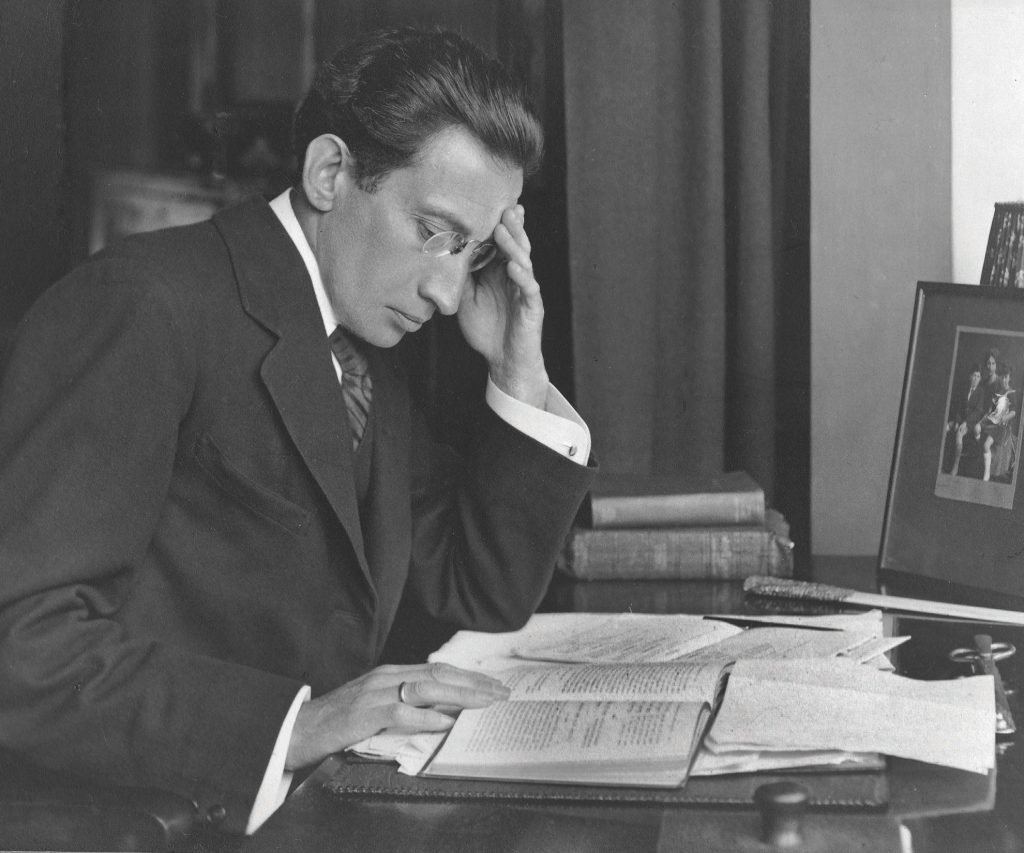
The author of the Pittsburgh Platform was an inspiring rabbi, named Kaufmann Kohler. Born in Germany, he became America’s preeminent Reform scholar. If you’ve ever dipped into the Jewish Encyclopedia, you’ve probably read something written by him.
Kohler wrote an introduction to Jewish theology that dealt thoroughly with how we Progressive Jews should understand these Temple texts. They were, for their time, a tool to help Jews gain moral understanding. The rituals and sacrifices showed us how to take responsibility for our thoughts, and even our conduct.
But, over time, we outgrew pigeon slaughter. We moved on to the world of rules and structures created by the early rabbis. And now, in our modern age, we are still moving forwards: so that we will do the right thing without being bound by old laws.
That’s what the progress in Progressive Judaism means: progressing from the age of slaughter through the age of laws towards the age of morals.
It’s not that we should discard the laws, or even the stories of slaughter. We should be like students who learn more through our schooling- at each stage, we retain what we learnt earlier, but we refine it, and we realise that some of our earlier ideas were too simplistic. Wanting to rebuild the Temple is like wanting to go back to the crayons of nursery school.
Throughout the moral education of humanity, we received hints that this was where we were going all along. In the Book of Proverbs, written when cattle murder was the normal way of dealing with guilt, it says: “To do what is right and just is more desired by the Eternal One than sacrifice.”
Throughout the books of the prophets we are repeatedly assured that God is far more interested in our moral conduct than in how much fat we can burn off the bones of a lamb.
Centuries later, when the early rabbis were busy codifying all their laws, the midrash explained why the Torah would say this. Sacrifices could only happen in the Temple, but you can do good deeds anywhere. Sacrifices can only atone for mistakes, but with good deeds you can repent for what you did wrong on purpose. Sacrifices only last a short while, but righteousness can endure forever.
At every stage of its development, says Rabbi Kohler, we Jews were a priestly people. Even in the days of animal sacrifice, we were always trying to demonstrate how to live with knowledge of God and concern for morality.
So, says Kohler, our mission on earth is to constantly be a beacon of moral behaviour. If we forfeit that, even for a moment, we will cease to be worthy of being called God’s people.
The idea of rebuilding a Temple isn’t just a dead end: it is a reversal of history. It takes us backwards from reason to superstition. It is the most retrograde step from our understanding of animal suffering to treating God’s creatures as subjects for abuse. It is abhorrent.
And I think most people know that. I honestly believe that, if we asked the vast majority of our friends and family who attend United or Federation synagogues if they think we would be better off with a cult of butchery based in Jerusalem, they would be repulsed by the concept.
In that case, they do not believe in Orthodox Judaism. Mazel tov, they’re Progressives already! Come through our doors, come celebrate with us, come pray with us!
You can leave your fantasies of pigeon massacres at the door. Come and be God’s priestly people.
Come and be a Progressive Jew.
Shabbat shalom.

 Sim Lev