1. We are living in apocalyptic times. War, climate disaster, and neoliberal capitalism are plunging us into ongoing and worsening crisis. Apocalyptic times call for apocalyptic theologies.
2. When we survey how Jewish people rebuilt their communities in the face of devastation, we see that Jews have stubbornly held onto hope. From the destructions of the Temples, through Crusades and Expulsions, to colonialism and genocide, our greatest leaders have never wallowed in despair. They always reaffirmed their faith in God and humanity.
3. The task of building the Messianic age is more pressing than ever. Like our forebears, we affirm that the Messiah will not be a man, but a time, in which all will understand the Oneness that lies beneath all superficial differences. The Messianic Age will be defined by equality between people, peace between nations, and harmony with nature. Our task is to build it.
4. Because of faith in God, we understand that our desire for a transformed world is sacred and just. With an outstretched arm and wondrous deeds, God liberated the slaves from Egypt. God hears the cries of all who suffer and shares their pain. God continues to defend the dignity of all who are subjugated.
5. In every age, our people have sought to understand the will of God. In their hardship, they communed with their Creator. Out of their struggles, they developed theologies. These are our inheritance: Torah; Prophets; Writings; rabbinic literature; Jewish philosophies. We claim them for our own time.
6. Our texts are central to our worldview. They are incomplete and polyvocal. We will never make idols of them by treating them as unquestionable authorities. Rather, they are our dialogue partners to understand our God, our world, and ourselves. We uphold the tradition of questioning, reconsidering, and retelling. Every answer is open to interrogation.
7. We affirm belief in the pure monotheism to which our ancestors aspired. We seek to connect with God, who is singular and infinite; immaterial and transcendent; eminent and imminent. Our God is nevertheless directly part of our lives. As the source of ultimate truth, God seeks to impart to us truth as we can understand it.
8. Life has meaning. Its meaning is intrinsic. Everything that lives on this earth was placed here deliberately by a loving Creator to serve a purpose. All that affirms life affirms God.
9. Jews are called upon specifically and by name. We feel that the task of healing the world has been entrusted to us, personally and collectively. This is what it means to be chosen. The task of Jews is to speak God’s truth and to fulfill God’s dominion on earth. A world ruled by God will be one in which no human being can subjugate another.
10. God created all people, replete with diversity, deliberately. We do not wish to make others like us. We reject any uniformity. We accept that people inhabit multiple, contradictory, and overlapping spiritual realities.
11. We bring our spiritual reality to life through our rituals. Our laws, practices and customs are all articulations of our moral purpose. Even where they carry no obvious moral instruction, they instill within us discipline, wonder at creation, and hold us together in community.
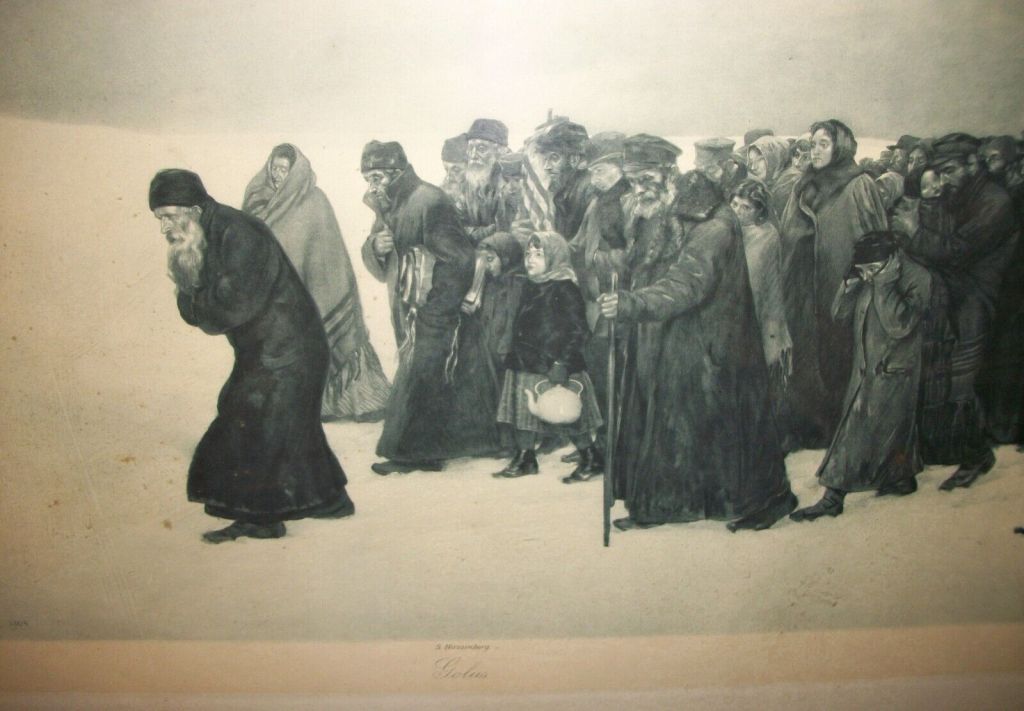
12. Our ancestors call to us from history. As refugees and outcasts, they knew what it was to live on the margins. Their memories demand vindication.
13. We have witnessed the progress of humanity. Scientists have developed incredible medicines. Engineers have shown how to harness natural resources to power the entire planet. Activists have shown how collective strength can transform history. We believe that it is our duty to sustain that progress.
14. In the hands of oppressors, progress is a dangerous force. Warmongers have found ever more efficient ways to kill. Capitalists have found increasingly profitable ways to exploit. We have seen how human ingenuity can be employed for systemic violence. We must wrest the tools of progress from those who worship the false god of wealth.
15. Nationalism is a sickness that is plaguing the world. We repudiate all xenophobia and chauvinism. We will not worship the false idols of states and their symbols. We reject all efforts to politically divide humanity.
16. Until all of humanity is fully redeemed, we remain in exile. Only when everyone has achieved full political, economic and spiritual freedom can we say we have reached our Jerusalem. The earthly Jerusalem is as much a part of exile as any other city, until the day when it becomes the heartland for peace and brings all humanity into unity with God. As such, we align ourselves with all those who seek to bring about an earthly Jerusalem based on the prophets’ visions of dignity, human rights, and liberation.
17. Individualism is killing us. Human beings have survived by being social creatures. The ideas of autonomy and personal choice do not serve us in this age. We need to resist the atomisation of people and create community, which necessitates sharing norms, ideals, and practices.
18. We see the Jewish family as expansive and interconnected. We are all responsible for one another, and want to live as if we are one family. This includes a commitment to loving rebuke where necessary.
19. We return to halachah. We see it not as the binding decisions of previous generations but as the creative forum of the present, in which we find new ways to live by our shared values.
20. We commit to Jewish time, which is shaped like a snail shell: always progressing, and always returning to the same points. We return constantly to our shabbats, our fasts, and our festivals. Every time we return to them, we learn more of what God requires of us, and we urge ourselves on to the next stage of our development.
21. The end of time is coming. It does not have to be disastrous. It could be wondrous. Our telos is a perfected world. We will never reach it. We will always fight for it.
Rabbi Lev Saul

 Sim Lev