interfaith · sermon · torah

Do not hide the tears of tolerance


As some of you know, my kippah is a permanent fixture on my head, and has been since my early 20s. I often get asked whether I experience any feedback for being so visibly Jewish. My answer is: yes. Occasionally, Christians come up to me and say “shalom.” I say “shalom” back.

Well, this week, I have a more interesting story to tell.

Last Saturday night, Laurence and I were on our way back from a friend’s birthday lip synch. (Yes, in my time off, I do competitively mime to Nicki Minaj wearing a space suit and kitten heels.)

We were heading into Vauxhall Station. A group of men in their early 20s were dancing around, holding hands, and reaching out their hands for others to join them.

It will probably not surprise you to hear that I joined in. The boys cheered.

Within moments of joining them, I realised I might have made a terrible mistake. The man whose hand I was holding was, in fact, wearing a Palestine football shirt. They were all speaking Arabic. A taller man noticed my kippah and said to the others “hu yehudi.” I know what this means in Arabic, because you say it the same way in Hebrew: he’s Jewish.

And I thought, well, it’s basically the same language, I’ll try talking with them in Hebrew. Friends, these gentlemen did not, in fact, speak Hebrew. Their English was pretty stilted too.

Right next to us, a fist fight broke out between two white guys.

We all fumbled awkwardly, and tried to communicate across a language barrier. The tension became palpable. It was just me and Laurence and a whole group of Palestinian men.

I asked: “where are you from?”

“We are from Gaza,” the one who had been holding my hand said. “Do you support the government?”

I said: “of course not.”

The man said: “Really?”

I said: “Yes.”

The men cheered, and resumed dancing. I got on my train back to Ditton.

There was no time to explain that the Israeli government wasn’t actually my government at all, but my answer would have been the same whichever government he was talking about.

I am under no illusion that this story could have ended differently. But, as it is, the story ended with dancing in the streets of London, and everybody walking away with their dignity intact.

Now, I may have been the first visibly Jewish person these men had met who was not wearing a military uniform. And perhaps now, with the freedom of London, they will get the chance to learn more about who Jews are.

And perhaps I will go away and actually do my Arabic homework so that I can have a better quality conversation. At least, in the future, I won’t default to Hebrew as a good enough alternative.

I think we tend to imagine that tolerance is the true harmony of everyone fully understanding each other; living side by side; eating in the same restaurants; celebrating and grieving together.

I still believe that true peace will come, when everyone has full equality, and nobody has any more need for conflict.

But, most of the time, life is not like that.

As long as there is inequality, those with less will want what those with more have; and those who have more power will exert it over those with less. Until we all have everything we need, there will be conflict for the power and possessions we lack.

Tolerance, in our society, is the decision to set grudges aside, to suspend prejudice, and to just let each other go on with life. It is the decision of the stronger to spare the weaker. It is a choice to ignore stock characters and old grievances for the sake of everyone getting on with their day.

It is not easy passivity, but a conscious choice to accept the world as it is. Sometimes, that is painful.

So it is with Joseph and his brothers.

Consider all the array of feelings Joseph must have held when he first saw his brothers. The last time he had encountered them, they had thrown him in a pit, then sold him at a cheap price to travelling merchants.

Do you think he was in the mood for forgiving?

And what about his brothers? They are now in abject poverty. They have travelled miles on foot to escape famine in their homeland. And they have to prostrate themselves and beg before a foreign king in a language they do not understand.

The powerful and the powerless have switched places; the resources are now all in Joseph’s hands.

Joseph doesn’t just shrug his shoulders and get over it. Instead, he decides to test his brothers and bring his entire estranged family to Egypt.

Joseph hides a silver cup in his brother Benjamin’s satchel and uses the supposed theft as a pretext to hold him hostage. Joseph announces to his family that he is going to keep their youngest brother as a slave, making them relive what they did to him.

At the moment when our parashah ends, we don’t actually know how the story is going to pan out. We, who have heard this story many times, are already aware that the brothers will repent and offer their lives for Benjamin’s. We know that Joseph will announce himself and forgive his siblings.

But, for this week, we are suspended in the tests of Joseph and his brothers.

The Joseph narrative is the longest part of the Book of Genesis, not least because of the extensive detail given to Jacob’s sons’ journey back and forth between the two countries, and the lengthy description of how Joseph examines his brothers’ hearts.

This story is, in fact, repeated almost exactly in the Quran. Surah Yusuf is a lengthy narrative in the formative text of Islam. Within the chapter itself, the Quran says that it is repeating the words of previous prophets and is confirming the prior revelation of the Torah.

But there is a key difference between the Torah’s version and the Quran’s. In the Islamic retelling, Benjamin is in on the ruse from the start. Joseph reveals himself to Benjamin before hiding the cup and tells him to go along with the ploy.

Perhaps the goal here is to make Joseph seem more righteous. That is, indeed, what many of our midrash do when they retell Torah narratives. They iron out biblical figures’ imperfections.

But, if you look at the texts of the stories side by side, the parallel verse in the Torah reveals something more interesting. In our recension, rather than revealing himself, Joseph runs off to his room and cries.

The Quran’s version, then, makes the story less painful. It glosses over how heart-wrenching and difficult this process is of forgiving and letting go.

There is a lesson here for us. We all want to jump ahead to the part of the story where everyone is friends again and loves each other. We all want to fast forward to the point in history where there is lasting peace and harmony.

But, the Torah tells us, you have to stay in the feelings. You have to live in the mess for a while.

As Jews in Britain, we are forever doing a delicate dance of interfaith relations, while plagued by trauma. As the whole world seems ever more oriented towards intolerance and tribalism, we still need to show up to shared spaces with our best faces and our best expectations of others. We need to set aside prejudices for the sake of a better society.

And that is hard. So don’t gloss over the tears. Don’t hide the pain away in another room. Let us be honest with ourselves and each other that the task of building a multicultural society is tough.

But, while we hold the challenge, remember that we do still know how this story ends. We know that we are heading towards an ultimate conclusion of liberty and equality. God has a plan for the world. And it will end with true peace.

One day, all people will embrace one another as members of the human family. One day, we will all weep together over the years wasted on war. One day, without fear, we will all dance unabashedly in the streets.

May that time come soon and last forever.

Amen.

Alexander Ivanov, The Silver Goblet is Found in Benjamin’s Sack

academic · poem

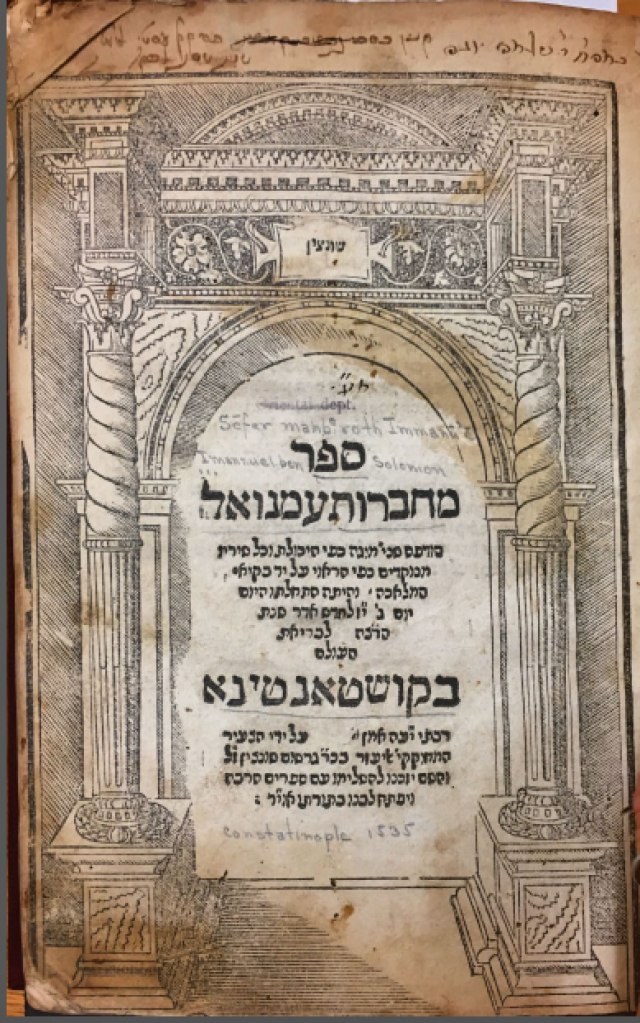
Immanuel of Rome’s 9th Machberet

Emmanuel of Rome –in Hebrew, Emmanuel haRomi; in Italian, Manoello Giudeo – was born to an aristocratic Italian-Jewish family in 1261. Although only a minor poet by comparison to his pre-Renaissance contemporaries, Emmanuel was the first ever poet to write sonnets in any language other than Italian. Around 1300, Emmanuel produced a series of Hebrew sonnet collections that dealt with both secular and religious themes.

Using Dov Yarden’s edition of the Hebrew, I have created English translations of Immanuel’s 9th Machberet, which is a series of sonnets for each month of the Jewish year. So far, there has not been any systematic effort to translate all of Emmanuel’s works and only a few contemporary scholars show much interest in him. By putting these translations into the public domain, I hope others will take up interest in him.

I tell my story and say: וָאֶשָּׂא מְשָׁלִי וָאֹמַר 

TISHRI 

In Tishri, I rejoice; as the feasts to God 
Awaken me, to songs of passion sing  
I will delight in honey and nectar 
A time when willows string up violins 
And I shall surround myself  with youth 
I’ll eat a banquet fit to feed a king 
While staring at the apple of my eye, 
The juice of grapes and pomegranates drink. 
My face in battle, like before a flame 
I won’t be mute, but surely I will sing 
As her warden, I open up my lips  
I borrow kisses from Ofra’s wellspring 
And thank the Lord who made humanity 
Complete with all the perfect openings  
בְּתִשְׁרִי אֶשְׂמְחָה כִּי מוֹעֲדֵי אֵל
 יְעִירוּנִי לְשׁוֹרֵר שִׁיר עֲגָבִים
 וְאֶתְעַנַּג בְּנֹפֶת צוּף וּפַנַּג
 וְכִינוֹרַי תְּלוּיִם עַל עֲרָבִים
 וְאַצִּיבָה סְבִיבוֹתַי נְעָרַי
 וּמוּל פָּנַי לְאַיֶּלֶת אֲהָבִים
 וְאֶסְעַד מַעֲדַן מֶלֶךְ וְאֶשְׁתֶּה
 עֲסִיס רִמּוֹן וְאֶשְׁכַּר דַּם עֲנָבִ
ים וְאֶשְׁכַּח רִישׁ וְלֹא אַחְרִישׁ וְאָרֹן
 וּפָנַי בַּקְּרָב כִּפְנֵי לְהָבִים
 וְאֶלְוֶה מִשְּׂפַת עָפְרָה נְשִׁיקוֹת
 וְלִפְרֹעַ שְׂפָתַי לָהּ עֲרָבִים
 וְאוֹדֶה אֵל אֲשֶׁר יָצַר בְּחָכְמָה
 בֵּני אָדָם וּבָרָא בָם נְקָבִים 

MAR-CHESHVAN 

In Mar-Cheshvan, we’re lifted up by light 
I long to stand on dark borders of clouds 
And cry out from the fastened fires of night 
So sticky honey drips on land unploughed 
Upon the borders of the fields I press 
The nectar into syrup and the olives into chow 

I drink until I forget poverty 
And drive out all the grief from hearts somehow 
I bless each bairn to any woman born  
I see this as the time for seeds to sow 
The autumn plants assert this as their hour 
Nothing has thorns that sting as sharp as now 
But shoots will spring from barren earth again 
Like men from graves, accomplishing God’s vow  
בְּמַרְחֶשְׁוָן מְאוֹר יַעְלוֹת וְזִיוָן
 אֱהִי עֹרֵךְ לְמוּל אֹפֶל עֲנָנָיו
 וְקָרָתוֹ בְּאֵשׁ חֵשֶּׁק אֲגָרֵשׁ
 וְתַמְרוּרָיו בְּנֹפֶת צוּף עֲדָנָי
 וּמוּל פִּרְשׁוֹ יְהִי חֵשֶק וְדִבְשׁוֹ
 וְאֶל מוּל בָּאֳשׁוֹ רֵיחַ שְׁמָנָיו

  אֲנִי אֶשְׁתֶּה וְאֶשְׁכַּח רִישׁ וְאַחְרִישׁ
 וְאָסִיר מִלְּבָבִי עִצְּבוֹנָיו
 וּמִכָּל חַי יְלוּד אִשּׁה אֲבָרֵךְ
 אֲנִי נֹחַ וְנִטְעֵי נַעֲמָנָיו
 אֲשֶׁר לוּלֵי נְעִימוֹתָם יְכֻסֶּה
 זְמָן חָרוּל וְעָלוּ קִמְּשׁוֹנָיו
 עֲלֵי יָשְׁרוֹ אֲחוֹנֵן אֶת עֲפָרוֹ
 בְּתוֹךְ קִבְרוֹ וְאֶרְצֶה אֶת אֲבָנָיו 

KISLEV 

In Kislev, God’s horseman I will be 
And through calm pride I surely will agree 
A light on high supports a needy man 
To lift the dust of earth to build freely 
We light each night an eight pronged candel’bra 
Drink whiskey like the finest smooth honey 
The beauty of the girls’ arms, so exposed 
Whose eyes, like light’ning, shine in front of me 
One woman sets the table for the meal 
Another one runs after her to clean 
One coyly turns aside and rends men’s hearts 
Another bakes up biscuits for high tea 
I need not wonder what the meal will be 
The main course is spread out in front of me
בְּכִסְלֵו אֶהְיֶה שָׁלֵו וְאוֹדֶה
 לְצוּר רֹכֵב בְּגַאְוָתוֹ שְׁחָקִים
 וְאוֹר עֶלְיוֹן אֲשֶׁר אִישׁ דַּל וְאֶבְיוֹן
 מְרִימִי מֵעֲפַר אֶרֶץ וּמֵקִים
 וְנֵרוֹת אֶהְיֶה מַדְלִיק שְׁמֹנָה
 וְשִׁקּוּיַי כְּנֹפֶת צוּף מְתוּקִים
 וְהַיָּפוֹת זְרוֹעֹתָן חֲשׂוּפוֹת
 וְעֵינֵיהֶן יְרוּצוּן כַּבְּרָקִים
 וְאַחַת עֹרְכָה שֻׁלְחָן וְאַחַת
 תְּשַׂדֵּד אַחֲרֶיהָ הָעֲמָקִים
 וְאַחֶרֶת תְּלַבֵּב הַלְּבִבוֹת
 וְאַחֶרֶת תְּבַשּׁל הָרְקִיקִים
 וְצַפִּיחִת וּמַעְשֵׂה הַחֲבִתִּים
 וּמַרְחֶשֶׁת מְזָוֵינוּ מְפִיקִים 

TEVET 

The tenth Tevet: a fast for those who died 
When God’s children, like roaring seas, shall thrive 
They come in waves before the courts of God 
Where fools can dream and helping hands can strive 
To dig the chilly ground; this cold man shakes  

Those muscly men who work the harsh outside 
Who pull the jumpers round their necks and hide 
On snowy roads beneath the winter sky 
On days like these, I look for doe-eyed dames 
In secret surfaces where they reside 
My life is like a dead stalk in decay 
And yet, with only a gaze, I revive 
I know that God will crush all those who hate 
But meanwhile, I’ll be fortified by wine 
בְּטֵבֵת בַּעֲשָׂרָה בוֹ יְצוּמוּן
 בְּנֵי אֵל חַי וְכַיַּמִּים יְהִימוּן
 לְבוֹא צַר בֵּית אֱלֹהִים וַחֲצֵרָיו
 בְּכֵילַפּוֹת וְכַשִּׁיל יַהֲלֹמוּן
 וְהַקֹּר יַחֲלֹף הָאִישׁ וְיִדְקֹר

  פְּנֵי שָׂרִים הֲכִי חָבוּשׁ בְּטָמוּן
 וּמִטְרוֹת עֹז וְטִיט חוּצוֹת וְקֶרַח
 וְשֶׁלֶג עַל מְסִילֹּתַי יְרֻמוּן
 לְעֵת כָּזֹאת אֲשַׁחֵר הַצְּבִיּוֹת
 אֲשֶׁר סוֹד עַל יְגוֹנִים יַעֲרִימוּן
 וְעֵינֵיהֶן וְהוֹד צִיצַת לְחֵיהֶן
 יְחַיּוּנִי נְבֵלָתִי יְקִימוּן
 וְאֵיךְ אִירָא וְיֵינִי לִי לְעֶזְרָה
 וְהוּא יִמְחַץ מְשַׂנְאַי מִן יְקוּמוּן 

SHVAT 

Your face is harsh as bastards’ are, Shevat 
You send your time and frosty ice like loaves 
The whizzing snow breaks skies and cools my heart 
I spot the lovers hiding in alcoves 
They thrust and grab with their bosoms exposed 
Their voices cry out loud within their homes 
I cursed the stupid sermons as I froze 
And realised I was better off alone  
שְׁבָט אַכְזָר וְעַז פָּנִים כְּמַמְזֵר
 וּבוֹ יַשְׁלִיךְ זְמָן קַרְחוֹ כְפִתִּים
 וְהַשֶּׁלֶג גְּאוֹן הַלֵּב יְפַלֵּג
 וְהַדּוֹדִים בְּחֵיק יַעְלוֹת נְחִתִּים
 וְרָצֵי הַצְּבִיּוֹת הֵם דְּחוּפִים
 וְכָרוֹזָא בְּקוֹל קָרֵא בְּבָתִּים
 אֲרוּרָה דֹּרְשָׁה צֶמֶר וּפִשְׁתִּים
 לְעֵת כָּזֹאת לְבַד מַעְשֵׂה חֲבִתִּים 

ADAR 

Adar arrives to teach the bawdy tale 
Of how Haman and Zeresh caused such shame
If I had not such wealth and dignity 
I could not feast upon these geese and game 
In my right hand, a cup of toddy wine 
I shout each time I hear Haman’s curs’d name 
I join my mates and drink myself insane 
Until the heroes and the brutes are same 
We cheer with throats full of liquor and food 
For tyrants who will never rise again 
Only good wine can expel pain and strife 
And so we praise its healing holy name  
בְּאַדָּר אֶהְיֶה ישֵׁב וְדֹרֵשׁ
 וְאַזְכִּיר חַסְדֵי הָמָן וְזֶרֶשׁ
 וְלִי יוֹנִים וּבַרְבֻּרִים אֲבוּסִים
 וְלֹא אָחוּשׁ הֲאִם לִי הוֹן וְאִם רֵישׁ
 וְהַיַּיִן מְבֻשָּׂם אֶל יְמִינִי
 בְּקוֹל קֹרֵא וּבַדִּבּוּר יְפָרֵשׁ
 וְאִם אֹמַר אֲרוּר הָמָן וְזֶרֶשׁ
 יְשִׁיבוּן אַל תְּקַלֵּל דּוֹד לְחֵרֵשׁ
 וְקוֹל קֹרֵא אֱכֹל וּשְׁתֵה לְשָׁכְרָה
 וְלֹא תַשְׁאִיר לְנֹחֵל אוֹ לְיוֹרֵשׁ
 בְּיַעַן הוּא לְבַד רִפְאוּת וּמָזוֹר
 וְכָל רַע וָחֳלִי גָּרֵשׁ יְגָרֵשׁ 

NISSAN 

Nissan, I will recall God’s miracles 
Come see our homes, delight with joyous Jews 
How good and pleasant are these former slaves 
Our ancestors whom God opted to choose 
Once cloaked in cloud, they wandered in deserts 
But now delight and wonder are our views 
Up from these blossomed trees call turtle doves 
Our doorways filled with special treats, infused I fall
in love with her between the flower beds 
And couples ride the heavens in pursuit 
I will sacrifice the flesh and wool 
Of lambs and rams and farmers’ choicest ewes 
Let me cry out to all my famished friends: 
Jerusalem and food wait here for you!  
Upon the Torah’s head a diadem 
And graceful bracelets embedded with jewels 
Her crown reveals her lovely wonderment 
Each heart lights up to listen to her news 
Although a broken world encroaches now 
When morning comes, the world awaits her truth 
בְּנִיסָן אֶזְכְּרָה נִסֵּי אֱלֹהִים
 וּבֹו אוֹרָה וְשִׂמְחָה לַיְּהוּדִים
 וַּמה טּוּבוֹ וַּמה יָּפְיוֹ אֲשֶׁר בּוֹ
 אֲבֹתַי יָצְאוּ מִבֵּית עֲבָדִים
 וּפָשַׁט הַזְּמָן עָנָן לְבֻשׁוֹ
 וְעָטָה אוֹר וְכֻלּוֹ מַחֲמַדִּים
 וְקוֹל הַתּוֹר עֲלֵי מִפְתָּן וְכַפְתּוֹר
 וְאֶרְאֶה עַל פְּתָחַי כָּל מְגָדִים
 וְחשֵׁק עִם חֲשׁוּקָה בֵּין עֲרֻגוֹת
 בְּשָׂמִים רֹכְבִים יַחְדָּו צְמָדִים
 וְאֶזְבַּח שׁוֹר וְשֶׂה נָקֹד וְטָלוּא
 לְבַד מִן הַתְּיָשִׁים הָעֲקֻדִּים
 וְאַעְבִיר קוֹל לְכָל צַד כָּל דְּכָפִין
 וְצָרִיךְ לֶאֱכֹל יִהְיוּ עֲתִידִים
 וְאַצִּיב יַעֲלַת הַחֵן לְנֶגְדִּי
  בְּרֹאשָׁהּ צִיץ וְעַל יָדָה צְמִידִים
 וְהִיא תַעְנוּג לְכָל לֵב נוּג וְלַחְרֹט
 פְּאֵר הוֹדָהּ יְדֵי הָעֵט כְּבֵדִים
 לְדַעְתָּהּ יֵצְאוּ יָדַי גְּדוּדִים
 וְעַד בֹּקֶר הֲכִי נִרְוֶה בְדֹדִים 

IYYAR 

Iyyar asks me a joyful oath to swear  
I join my hands, both left and right, as pairs 
With lustful oxen, all Hebrews will unite 
By seeking dreams and chirpy birdsong pray’r 
I will never see liberation come 
Nor hear lads singing in the streets somewhere 
The world removes the mourning clothes she wears 
To swap for fancy garb, with lovers shared 
I free myself from books I have to read 
The Talmud’s texts, to which I am an heir 
Instead, I’ll set myself beside a doe 
Her body giving life beyond compare 
And though the heat of morning beats us slow 
When death does come, we will be holy there  
בְּאִיָּר אֶשְׂבְּעָה שׂבַע שְׂמָחוֹת
 וּבִשְׂמֹאלִי וּבִימִינִי נְעִימוֹת
 בְּשׁוּרִי חשְׁקִים מִכָּל עֲבָרִים
 בְּצִיץ צִצִּים לְשַׁחֵר הָעֲלָמוֹת
 וְלֹא אֶרְאֶה לְבַד גִּילַת וְרַנֵּן
 וְלֹא אֶשְׁמַע לְבַד שִׁיר עַל עֲלָמוֹת
 וְתֵבֵל תַּחֲלִיף סוּת אַלְמְנוּתָהּ
 וְלִכְבוֹד חשְׁקִים תִּלְבַּשׁ רְקָמוֹת
 וְאֶתֵּן גֵּט לְעֵרוּבִין וְגִטִּין
 וְסַנְהֶדְרִין וּמַסֶּכֶת יְבָמוֹת
 וְאֶבְחַר לִי לְצֵידָה הַצְּבִיָה
 לְחִי שׁוֹשָׁן נְשָׁמָה לַנְּשָׁמוֹת
 פְּנֵי חַמָּה אֲשֶׁר כָּל שֹׁחֲרֶיהָ
 קְדֹשִים יִהְיוּ בָהּ אַחֲרֵי מוֹת 

SIVAN 

Sivan makes me remember all God’s deeds 
How by wonder, He lifts us up, proceeds 
He brought His treasur’d people to freedom 
His children follow after where he leads 
They see his words and statutes as their light 
Enlightened by the Torah’s sacred creed 
Hear us, O God, as we cry out to You 
Comfort our fears in this, our hour of need 
O, show us Moses, whom we need so close 
Who came from mountains in the clouds, decreed 
To us the ten statutes by which we live 
For Jeshurun bowed down and found he’d heed 
Then Esau saw that God fulfilled His will 
And Ishmael learnt that God would be his steed  
בְּסִיוָן אֶזְכְּרָה פִּלְאוֹת אֱלֹהִים
 אֲשֶׁר נִשָּׂא וְגָבַהּ עַל גְּבֹהִים
 אֲשֶׁר יָצָא לְיֵשַׁע עַם קְרֹבוֹ
 יְלָדָיו הֹלְכִים אַחְרָיו וְנִנְהִים
 וְנָתַן הוֹד וְנֵר מִצְוָה וְתוֹרָה
 לְעַם קָדְשׁוֹ לְאוֹר יִשְׁעוֹ כְמֵהִים
 וְשָׁמַעְנוּ אֱלֹהִים חַי מְדַבֵּר
 וְנַחְנוּ פֹּחֲדִים מֶנְהוּ וְרֹהִים
 וְרָאִינוּ אֲזַי משֶׁה בְּגִשְׁתּוֹ
 לְעַרְפַלָּיו וְעָמַדְנוּ תְמֵהִים
 וְהִתְוָה תָו עֲשֶׂרֶת דִּבְּרוֹתָיו
 הֲתִשְׁתּוֹחַח יְשֻׁרוּן עוֹד וְתָהִים
 שְׁאַל עֵשָׂו הֲרָאָה כֵן בְּעֹשָׂיו
 וְיִשְׁמָעֵאל הֲשָׁמַע קוֹל אֱלֹהִים 

TAMMUZ 

Stripped bare and broken, in Tammuz, I go 
To play and say the eulogies of woe 
My contrite heart cries out in broken pain 
My clothes are drenched in blood and wet sorrow 
That soaks the valleys of God’s holy home 
The plunder and destruction of my foes 
Those heathens burn the sacred sites they hate 
And tear up Torah scrolls, they overthrow 
An idol stands upon God’s conquered throne 
It breaks my heart in ways I’ve never known 
I take my sword, prepare myself for war 
The huntsman within me readies his bow 
So all of my tears will break down these walls 
In grieving the lost ones, I cry alone 
בְּתַמּוּז אֵלְכָה עָרוֹם וְשׁוֹלָל
 וְלִשְׂחוֹק אֹמְרָה נַפְשִׁי מְהוֹלָל
 וְאֶתְעַנֶּה בְּלֵב נִשְׁבָּר וְנֶעְכָּר
 וּמַלְבּוּשִׁי בְּדַם דִּמְעִי מְגוֹלָל
 אֲשֶׁר בּוֹ הָבְקְעָה עִיר בֵּית אֱלֹהַי
 וְהֵצַר צַר וּבָזַז בַּז וְשָׁלָל
 וּבָטְלוּ הַתְּמִידִים בּוֹ וְשָׂרַף
 אֲפוֹסְטוֹמוֹס לְתוֹרַת אֵל וְחִלָּל
 וְצֶלֶם הֶעֱמִיד תּוֹךְ הֵיכְלֵי אֵל
 מְשׂוֹשׂ לִבִּי לְזֹאת חָרַב וְדָלָל
 הֲיַעְרֹךְ צִיר אֱלֵי צִירִי וּמַכְאֹב
 לְמַכְאֹבִי אֲשֶׁר בָּא לִי וְעוֹלָל
 וְלָכֵן כֹּל אֲשֶר דִּמְעָה יְפַכֶּה
 וְיִתְאַבֵּל לְפִי שִׂכְלוֹ יְהֻלָּל 

AV 

Throughout the month of Av, I will cry and grieve 
I’ll pump out reservoirs of tears of pain 
For desecration of God’s wasted home 
The refugees removed by Rome’s campaign 
On one long day, like Haman’s sons we hang 
While God destroys His seat of holy reign 
With fuming rage, my life force God destroys 
I sob out floods of salty tear-filled rain 
Now traitors and cynics surround me 
But I won’t eat or make love for the slain 
And were it not for God’s endless mercy 
My mouth would never know to laugh again  
בְּחֹדֶשׁ אָב אֱהִי נִכְאָב וְאֶדְאַב
 וְאֶשְׁאַב מֵי דְמָעַי מִכְּבֵדִי
 וְאֶתְעַנֶּה לְחָרְבַּן בֵּית אֱלֹהַי
 וְעִיר קָדְשׁוֹ וְעַל הָגְלַת כְּבוֹדִי
 בְּיוֹם אָרוּךְ כְּמוֹ וָי”ו וַיְזָתָא
 בְּחֻמּוֹ נֶהֱפַךְ חֹרֶב לְשַׁדִּי
 וְהַמַּיִם אֲשֶר אֶשְׁתֶּה לְשִׂכִּים
 בְּמוֹ עֵינַי וְלִצְנִינִים בְּצִדִּי
 וְאַרְחִיק הַצְּבִיָּה מִיְּצֻעַיְ
 וְאֶתְגּוֹלֵל בְּמִטָּתִי לְבַדִּי
 וְלוּלֵי נַחֲמוּ בִּבְנֵי אֲוָזָיו
 יְמַלֵּא פִי שְׂחוֹק אֶבְכֶּה בְעוֹדִי 

ELUL I 

The nobles’ daughters now are frollicing 
On flower beds of Elul’s evenings 
And balls run down the rafters of downswings 
Like those who made our rabbis into kings 
O, let us go and see the vineyards spring 
We’ll search for fresh grown figs until ev’ning 
Where trees not only grow but even sing 
And they will speak words kind and flattering 
Lift up your hand and don’t forget a thing  

I wrote these words of verse when I was young 
So ev’ry month could have its praises sung 
Today, in age, I wrote another one 
In sacred oil to praise the Elul month 
And now my greatest poem has begun…  
בְּאֵלוּל אֶעֱלֹז עִם בַּת נְדִיבִים
 בְּעֶרֶשׂ רַעֲנָנָה עַל עֲרָבִים
 וְהַגֻּלּוֹת יְרֻצוּן בָּרְהָטִים
 כְּאִלּוּ יִתְּנוּ שָׁמַי רְבִבִים
 וְנַשְׁכִּימָה וְנֵצֵא לַכְּרָמִים
 לְשַׁחֵר הַתְּאֵנָה עַד עֲרָבִים
 וְאָז אֶרְאֶה גְפָנַי אֹמְרִים לִי
 בְּפֶה חָנֵף וּבִדְבָרִים עֲרַבִים
 הֲתִקַּח הַתְּאֵנָה דּוֹד לְמָנָה
 נְשָׂא יָדְךָ וְאַל תִּשְׁכַּח עֲנָבִים

  אֵלֶּה הֵם הַשִּׁירִים הַמְפֹאָרִים
 אֲשֶר חִבַּרְתִּי עַל הֶחֳדָשִׁים בִּימֵי הַנְּעוִּרים
 וְעוֹד חִבַּרְתִּי שִׁיר עַל חֹדֶשׁ אֱלוּל
 בֶּשֶׁמן מִשְׁחַת קֹדֶשׁ בָּלוּל
 וּלְיָפְיוֹ הוּא עִלָּה וְכָל שִׁיר זוּלָתוֹ עָלוּל
 וְהוּא זֶה 

ELUL II 

If only you would bless my eyes, Elul, 
For you I would become an Amora 
A lord of words, a student to Rava 
And I will fast and search for sweet Mannah 
Within the vineyards I will sit pretty 
And sing and dance although my death’s not far
And I will leave my soul behind in words 
I’ll suckle breasts from vine shoots as they are 
בְּאֵלוּל תְּבַלּוּל בְּעֵינַי יְהִי אִם
 אֲקַנֵּא לְרָבָא וְלִהְיוֹת אֲמוֹרָא
 אֲנִי הַתְּאֵנָה אֲבַקֵּשׁ לְמָנָה
 לְנַפְשִׁי וְאֶדְרשׁ אֲנִי רֹאשׁ אֲמִיָרה
 וְתוֹךְ הַכְּרָמִים אֲנִי בַנְּעִימִים
 אֲכַלֶּה יְמוֹתַי בְּשִׁירָה וְזִמְרָה
 וְאָשִׂים גְּפָנַי סְבִיב צַוְּרֹנַי
 לְעָנָק וְאִינַק שְׁדֵי הַזְּמוֹרָה 
high holy days · sermon

To be the head and not the tail

Everything has changed. Everything keeps changing. 

We meet tonight to pause. 

Tonight is a return to a definite, reliable point in the calendar. While the world spins on outside, for a brief moment, we stop. We reflect. We take stock of all that has changed, so that we might change too.

You have already seen this evening many simanim – symbols of the Rosh Hashanah seder. These small tokens speak to us about what the festival means.

There is another one, though, that you won’t see here, partly because our synagogue is a meat-free site, and partly because it just would not feel right in a Liberal synagogue. 

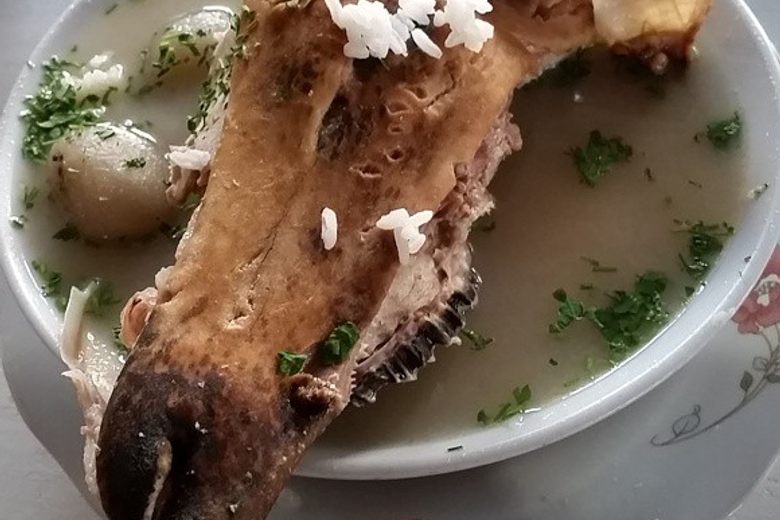
It is a ram’s head.

Yes, in many New Year seders throughout the centuries, Jews would place the carcass of a sheep’s skull in the centre of the table. This tradition goes all the way back to 9th Century Babylonia.

By the 15th Century, the German rabbi, the Maharil, explained the custom using a phrase from the Psalms: 

שנהיה לראש ולא לזנב 

that we should be the head and not the tail.

There is a play-on-words here. After all, what does Rosh Hashanah literally mean?

The Rosh is the head. It is the head as in the beginning; it is the head as in the body part; and it is the head as in the one who has control. 

This symbolism works because, in Hebrew, a word contains multiple meanings and associations. 

So, the fish head represents our being on top of our own lives.

Now, what about hashanah? The word shanah does indeed mean year, but its root ש-נ-ה also means cycle, difference, repetition, or change

This makes sense: a year is a cycle, a return point that we repeat, each time observing the change. 

So Rosh Hashanah does mean “start of the year.” But, through the associations with the words’ other meanings, Rosh Hashanah is also “the master of change.”

Outside of these walls, the world is full of changes. AI unleashes new technology into a society that has already been completely transformed by the Internet. Our climate is changing, and we are truly starting to notice its effects on our own seasons. 

International relations are changing: violence, war, and fear feel like a new normal. And, of course, we are only a few years out of global pandemic and lockdowns.

So, at this juncture, we return to the start, and try to find a small oasis of calm to reflect on this changing world. 

Yet, inside these walls, things have changed too. This is my first High Holy Days with you. This is your first High Holy Days in the newly refurbished sanctuary. This is our first High Holy Days where we have voted to join a new movement. 

This is our first time doing the High Holy Days without the choir in every service and, as you will see, that means we are changing how we do music.

In every case, these changes will evoke many feelings, including excitement, trepidation, loss, and growth. This is a chance to face all our feelings. 

Change is inevitable. Change can be good. And, yes, change is hard. 

I don’t know about you, but I have changed. I have not just grown a year older since the last Rosh Hashanah. I also feel like I have aged many decades in the last few years.

The world transforms and I shift with it. As I shift, I do not even always notice the ways I change, or work out what they mean. 

I don’t even have time to decide if I like who I am becoming before I find that things changing again.

So, at Rosh Hashanah I come to this space, this synagogue, this everlasting home with God, and ask: can I love myself better? Can I love my community? Can I muster up the strength to face all that is changing? 

Can I find a way to be the head and not the tail?

Blessed are You, Eternal One our God, who gives us the power to change.

sermon · torah

If only we understood each other less

“Nobody understands me!”

It’s the rallying cry of adolescence. 

I would never want to be a teenager again. 

What a difficult time. Do you remember how lonely and anxious it all felt? Do you remember how much you felt like nobody understood?

As adults, we now often put down this pubescent behaviour to hormones, or, worse, to the kid just being annoying. 

But what young adults are going through is really important. All that sadness and angst is a healthy part of their development. 

They are realising that the world is a much meaner and more confusing place than they had thought in infancy. 

And the truth is they are right: very few people understand them. And they understand very few others. That takes real adjustment. 

But once teens can accept how little understood they are, that can make them much more functional adults. 

They can embrace their individuality and celebrate it. They can appreciate difference, without feeling a need to change others. And, when they find people who are like them, and who do understand, they can appreciate the connection so much more. 

Understanding how little understood we can be helps us to truly value loving and being loved.

So, it’s true, nobody understands me. Isn’t that wonderful?

What kind of world would it be if everyone automatically understood everyone else! We would lose our humanity. We would just be cattle, following along, without the possibility of freedom or growth. 

That’s what it was like at the Tower of Babel.

This story in Genesis l tells of humanity’s own coming of age. 

At some point, in mythic time, we all spoke the same language. Like robots, we all set about making a massive tower. 

God saw us and said “who knows what they’ll do next!” So God confounded us, gave us all different languages, and dispersed us throughout the world.

That is God’s message at Babel. Diversity is the foundation of society. Humanity needs to mature. You need to be different and know that you are different. It is a good thing not to understand and not to be understood.

The ancient Israelites knew the value of not being understood all too well. To them, Babel was not just an ancient city. It was the capital of the major empire that colonised them.

Babylon took over the entirety of the ancient Near East. Wherever they went, they imposed their laws, their government, their military, and their taxes. 

They also imposed their language. They spread their alphabet to all of their colonies. What we now call the Hebrew alphabet is, in fact, the script of the Babylonian empire. The original Paleo-Hebrew script is now lost to stone blocks in museums.

The Babylonians carved up and named the territories. That naming, that fact of telling everyone who they were, and where their borders were, was their way of exerting control. It was the basis in words for all that would follow: all the military and economic violence they would enforce. 

During Jehoiakim’s reign, the Babylonians took hold of Judah and tried to turn it into a vassal state.

The ancient Judeans rebelled, fighting for their homeland and their dignity.

The Babylonians took all of the Jewish leaders and imprisoned them. They forced thousands of them into a tiny strip of land, hoping to militarily crush the rebellion.

Of course, no people forced into subjugation will just concede. When rebels are backed into a corner, they usually fight back even harder.

That’s exactly what happened with the Judeans. Less than a decade later, those left in the country launched another assault on Babylon. 

In response, the Babylonians completely flattened Judea. They ripped down its cities, destroyed Jerusalem, and killed anyone who stood in their way. They installed their own puppet dictator, Gedalia.

As you would expect, the Judeans killed Gedalia and kept on resisting. 

We must, therefore, understand the story of the Tower of Babel in the context of what Babylon meant to the Jews. To them, the Babylonians were the people who wanted to destroy and persecute them. They were the empire that wanted to steal their money and their land.

While warriors fought with swords, storytellers fought back with this literary protest. 

They said: “Look at the Babylonians: they want to force everyone to have one language and want to bend everyone to their will.”

Our ancestors told the story of Babel as a warning. Look at what happens when you force a language on people. You end up like Babylonians. You become monsters. Once you impose your words on others, there is nothing to stop you imposing your will. 

We must have diversity. We must be incomprehensible. We must be as unlike each other as possible, so that nobody can be subjugated to another. 

The true story of the history of the world is not that it went from a single language to many, but that it began with many languages and had fewer and fewer. 

As empires rose, they enforced their own words and worldviews, and suppressed the heterogeneity of all they conquered.

The reason that so many people of the mediaeval world spoke Greek, Latin, Arabic, or Chinese was because those were the biggest empires. The reason that so many people today speak English, French or Spanish, is because our small European countries colonised over half the globe. 

Their primary purpose may have been to take the land and resources of those countries. But as part of doing that, they also needed to impose languages on people. They needed to force people to conform to words they had previously not known.

They said: this is now Christendom, and that is the Uma. This is the Old World, and that is the New. This is Europe, and that is Barbary. This is civilisation, and those are savages. This is white, and that is black. 

They took the world under one language, and forced it to conform to their understanding. They understood the world, for the sake of controlling and conquering it.

With each century of imperial conquest, hundreds of languages are rendered extinct. When languages die, we lose not only a way of speaking, but can witness an entire culture being eliminated. 

This is why the definition of genocide does not only encompass killing people, but can include destroying ways of life.

So, let us suggest, understanding each other might not be such a good thing. If anything, we might aspire to understand each other less.

Our Torah wants us to look for something better than understanding. It tells us this story not just because they are angry about their subjugation as the oppressed, but also because they are worried for the souls of their oppressors.

To the ancient Judeans, the Babylonians were stuck in a spiritual adolescence. Like immature children, who just want to manipulate the world, the Babylonians had not yet achieved the wisdom of accepting what they cannot know. 

They taught an alternative theology to the conquering power of Empire. Not knowledge. Love.

Love is the Torah’s answer.

When you love someone, you do not want to control them. Quite on the contrary, you want them to be free. 

When you love someone, you don’t want to change them. 

When you love someone, you don’t want to categorise them.

And yes, you may want to understand them, but in the sense of being infinitely curious about them, wondering who they are, and how they think. But always knowing that you cannot reduce them or ever comprehend their essence.

So, it is time to stop trying to understand people. It is time to stop trying to be understood. 

We need to understand each other less and love each more.

Nobody understands me. Thank God.

Shabbat shalom.