There are seventeen sleeps to go until Pesach. I am genuinely excited.
You know, one of the things I love most about Pesach is the matza.
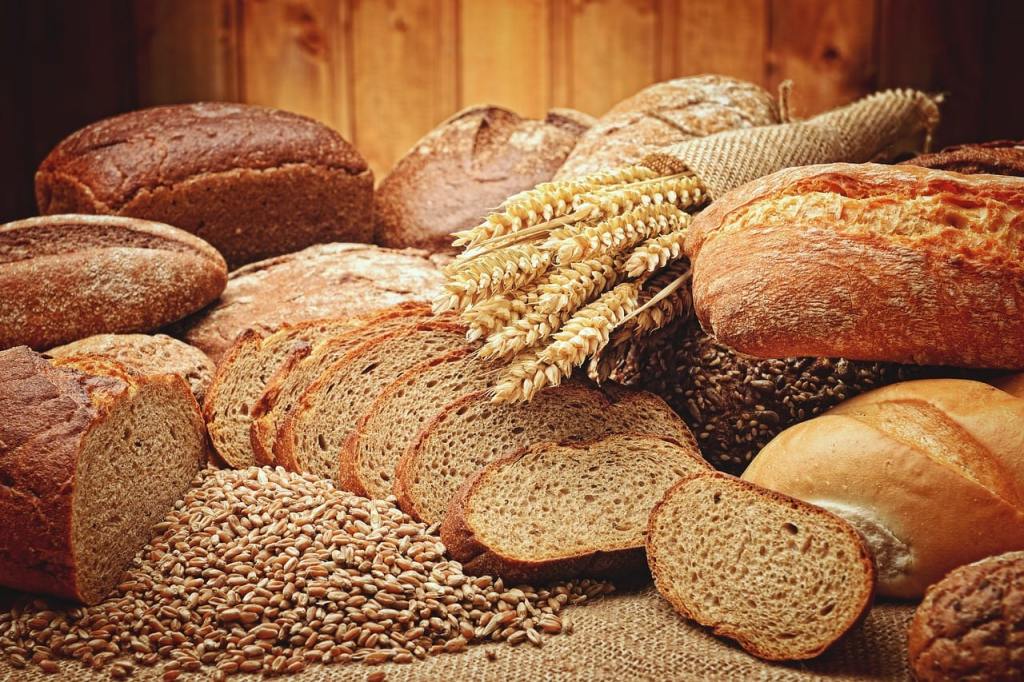
I enjoy clearing out all the leavened products from the house, dumping bags of pasta with the food bank, hiding the toaster in the garage, and eating only matza for a week.
It’s not that I like the taste. (Although it is good as a vehicle for my favourite food group: butter.)
In fact, I think it’s precisely the discipline that I enjoy. It is having a religiously-mandated prohibition built into my life, if only for a little while.
I am going to talk here about my own relationship with consumption, food, and restriction, but this will be very different for everyone. I know that, for some, ‘saying no’ to food can become a burden rather than a blessing, and that achieving a neutral relationship with food is its own spiritual discipline.
Judaism teaches us that if a fast or a restriction endangers our health—physical or mental—the commandment is actually to eat. Our goal is to be masters of our impulses, not enemies of our own survival.
So, in telling you what is meaningful to me, I am not trying to tell you how to live your life (I have no such right), but to tell you why the practice of clearing out chametz and eating only matza matters to me.
And, personally, I love the moments of spiritual discipline.
I think there is something in the human condition that means we want some help sublimating our desires. Every religion, throughout the world, places restrictions, either permanently or for short periods, on how people can consume.
We all want to know that we are not slaves to endless gluttony, but can serve something Higher than ourselves.
Two weeks ago, I had the privilege of joining the Dialogue Society‘s iftar at Kingston Guildhall. This is a daily meal, served after sunset every day throughout the month of Ramadan.
Throughout the evening, we learned a number of facts about Ramadan and iftars. But as the evening went on, I reflected that I could never truly know what Ramadan was. I would never understand it as an insider; as one who fasts every day for a month; as one who considers this deprivation a pillar of faith.
The iftar was lovely, but the fast is what brings people to the meal. Through their fast, Muslims learn what it is to sympathise with the poor, to feel one with a global community, and to submit to their Creator’s will.
I was seated with the other clergy: the imams and vicars that KLS has enabled me to befriend. Reverend Joe shared that the Christians were also going through their own period of deprivation: the Fast of Lent. During these forty days, Christians give up the things that tempt them most. In Reverend Joe’s case, this was alcohol and chocolate.
As an outsider, I have seen the end product of Lent – its festival of Easter, filled with chocolate hunts, painted eggs and, once or twice, even a gory reenactment of Jesus’s crucifixion.
Easter looks fun, but I realise that what must make it so meaningful is the period of deprivation beforehand. Their experience of refusing temptation is designed to help them better understand Jesus’s suffering. Here, too, the spiritually important part is saying no to something else.
The idea of saying no to consumption feels so alien to our modern world. The second I want something, I can order it online and have it delivered a day later. If I like the sound of any food from anywhere in the world, I barely need to think before I’m eating it.
And, personally, I have a hard time saying no to just about anything. I struggle to eat just one biscuit or drink just one glass of wine. And, if there’s food on the table, I can be sure I’ll keep eating until there isn’t.
I shouldn’t be surprised by this.
I’ve been completely inundated with advertising and consumer culture since birth. When I’m bored, I can stare at my phone to shut off my brain and get more of the same.
Our old medieval superstitions have been replaced by the new religion of consumption. You can practise all of them at once: eat chocolate at Easter and turkey at Christmas; eat doughnuts at Chanukah and soup at Pesach.
And, of course, at every opportunity, we must buy; we must spend money. We must make sacrifices to the god of The Market who will slump and weep if we stop purchasing for even a moment. In the name of our new religion, we must swallow the whole world.
So, refusing consumption feels like something medieval and irrational.
But isn’t it precisely the foundation of Judaism?
The tenth commandment is לֹא־תַחְמֹד – thou shalt not covet. Do not desire. Do not lust. Do not gaze greedily at everything around you from your friend’s partners to your neighbour’s animals. Do not envy.
This is the basis of all the other commandments. If we don’t want what others have, why would we ever steal? If we don’t lust after anybody else, why would we ever betray our partners? If we don’t want anything but what we have, why would we ever go chasing after other gods?
But wanting is not like stealing or cheating. Wanting is a primal urge.
How can I be expected to have no desires at all for what is beautiful? This rule is telling me to suppress my own feelings; that just the very fact of wanting anything is a sin. That feels cruel and punitive.
We’re not the first to feel this way. Generations of Jews have grappled with exactly this problem.
There is a lovely midrash from thousands of years ago on this topic, that says, it’s not that we’re supposed to say we have no desires for things we can’t have. Instead, we should say “actually I do want all these things, but God in Heaven has decreed against it.”
Some part of me does want to consume everything; to own everything; to control everything. I need to know that this is within me. And then I need to remember that I am more than a gluttonous animal. I have the ability to exercise restraint.
The medieval commentator, ibn Ezra, taught that this is deeper than just self-deprivation. By saying no to our desires, we say yes to our God. We say yes to trust and faith. We see the world’s beauty as even more beautiful precisely because we know it is forbidden to us.
The French-Algerian philosopher, Albert Camus, wrote that saying no is the foundation of all human values. “I refuse, therefore I exist.” What we are willing to say no to determines who we are.
The Israelites were not truly God’s people until they refused to be Pharaoh’s slaves. Our ancestors said no to subjugation; no to tyranny; no to being someone else’s property; no being held back by the false gods of greed and idolatry.
With one no, they could say many yeses. Yes to the God of all Creation. Yes to being commanded by a greater power. Yes to the festivals and yes to the holy days. Yes to the humble pursuit of God’s will. Yes to peace, equality, dignity, and freedom.
And that is what the matza symbolises to me today.
It is more than a cracker. It is a statement about what I am willing to say no to.
I say no to leaven, and therefore no to a system that demands I consume everything until there is nothing left of the world.
I say yes to matza, and therefore yes to pursuing justice, living with simplicity, and walking in God’s ways.
As we come to this Pesach, consider what you can do to exercise spiritual discipline. My practice is to cut out leavened food, but you may find your own.
Can you clear out your cupboards, and give excess clothes to charity? Can you look at your spending, and set a bigger portion aside for those in need? Can you put a restriction on your phone usage?
What is the chametz, the leaven, that is weighing you down in your life? And how will you make the conscious choice to say no to it?
I refuse, therefore I am.
We say no, so we are.
Shabbat shalom.
 Sim Lev